Alternatives
Ahrefs vs BrightEdge vs Omnia: Key Differences for 2026

 JoseGrowthatOmnia
 AndreiHead of GrowthatOmnia
TL;DR
Most AI visibility tools claim to track Google AI Overviews but don’t show proof. They miss timestamped SERP snapshots, URL-level citations, and clear evidence of when an AI Overview actually recommends your brand. This guide evaluates 15 AI Overviews tracking platforms using auditable signals like presence by country, citation extraction (exact URLs), and share of voice vs competitors. Omnia ranks as the best AI Overviews tracker for teams that need execution — it turns citation data into specific content + publishing tasks, not just a dashboard.
Google AI Overviews now sit above the blue links, stitching together an answer from multiple sources, with citations baked in. For SEO teams evaluating tracking solutions, the critical question has changed from “Do we rank?” to “Are we cited in the AI Overview, and if not, what’s earning competitors those citations??”
Most tools show vague “visibility scores” without proving what Google really displayed. This guide compares platforms based on concrete evidence: archived SERPs, extracted citations at the URL level, and geo-specific tracking that shows exactly where your brand appears today across markets.
A rank tracker for AI overviews is a specialized platform that monitors whether your brand appears in Google's AI-generated answer snapshots, which sources are cited, and what share of the AI Overview your domain captures relative to competitors. It differs from traditional SEO metrics because your “rank” in AI Overviews isn’t fixed. You might show up for a prompt on one user’s device, and be omitted entirely on another who asks the same question. AI presence isn’t deterministic.
Google Search Console doesn't provide granular AI Overview mentions data or show which specific URLs are referenced in AI-generated answers, creating demand for purpose-built trackers. Google generates these summaries using a customized Gemini model that works alongside its existing search ranking systems and Knowledge Graph to synthesize information from across the web and link to supporting sources.
Because AI Overviews synthesize information dynamically from multiple sources, they don’t return a deterministic ranked list of links. The exact citations, answer structure, and even the presence of the AI Overview itself can vary by query, location, device, and time. This variability is what makes tracking brand visibility in AI search results different from traditional SEO tracking, and why teams increasingly rely on AI tools that archive snapshots, extract citations, and measure visibility over time.
The best AI Overviews rank tracking tools operate through a multi-stage pipeline:
This workflow differs from traditional rank checking because AI Overviews don't guarantee consistent appearance. Some queries trigger them, others don't, and the same keyword can show an Overview on desktop but not mobile. Tools must handle this variability while extracting structured data from Google's synthesized answer format, which lacks the predictable HTML structure of organic result listings.
Teams rely on archival for two critical needs. When presenting to executives, archived snapshots prove exactly what Google displayed on a specific date. For ongoing optimization, historical archives enable debugging — comparing states to diagnose why citations appeared one week but vanished the next.
Quality archival includes:
Detection accuracy separates functional tools from unreliable ones. False positives occur when tools mistake featured snippets or “People Also Ask” boxes for AI Overviews. False negatives happen when layout changes confuse parsers.
Credible platforms provide country-level presence tracking (US vs UK vs Germany), device segmentation (desktop/mobile splits), and trend visualization showing “AIO triggered %” across your keyword portfolio.
This directly addresses concerns companies have about market-by-market visibility, helping international teams avoid investing in content for markets where they're already losing ground to local competitors.
Citation extraction is the make-or-break capability distinguishing serious search monitoring platforms from surface-level dashboards. Tools must parse exact URLs, handle canonicalization, detect duplicate AI mentions, and manage rewritten links. As Daniel Espejo, Co-founder and CEO at Omnia, puts it: "Platforms that only show brand mentions without attribution are hiding the most actionable data. When you're not cited on a query, who is? That's the gap analysis that turns a dashboard into a to-do list."
Example export table format (what credible tools should provide):
| Keyword | Date | Country | Device | AIO present | Cited domains | Cited URLs | Your domain cited |
|---|---|---|---|---|---|---|---|
| best crm software | 2026-01-15 | US | Desktop | Yes | hubspot.com, salesforce.com | hubspot.com/pricing, salesforce.com/compare | No |
| email automation tools | 2026-01-15 | UK | Mobile | Yes | mailchimp.com, activecampaign.com, yoursite.com | mailchimp.com/features, yoursite.com/guide | Yes |
This table ignores vanity metrics and shows competitive reality at the URL level — which pages win citations, what content types Google trusts, and where you're absent despite strong organic traffic and referring domains.
Tools should communicate variance explicitly by showing when answers changed between runs, tracking citation churn, and providing confidence scoring based on sample size.
To test if a tool is really doing this, ask vendors:
Weekly reporting should include presence trend (last 30 days), new citations this week, lost citations, and competitor movement.
Teams require raw data access for custom analysis. That includes:
Image-only comparison screenshots aren't enough. You need copy/paste-able datasets to merge with Google Analytics, calculate ROI, and build executive reports that connect overall AI visibility to business outcomes like trial signups or demo requests.
Tracking without recommendations leaves teams asking “now what?” The action layer bridges observation to execution. The right tool helps you change outcomes, not just report them. Platforms delivering this layer, like Omnia with its Insights capabilities, help teams turn citation intelligence into shipped content within days through strategic prompt tracking and content recommendations.
Before comparing 15 platforms, see where you stand today for free. Omnia's AI Visibility Checker runs 40 prompts across ChatGPT, Perplexity, Google AI Overviews, and Google AI Mode—delivering your full report in 3-5 minutes.
What you'll get:
Then, take a look at this table. Shortlist 3 tools and read their detailed reviews below:
| Tool | Best for | Google AI Mode included in base plan | Refresh cadence | Action layer | Price range per month |
|---|---|---|---|---|---|
| Omnia | Startups needing execution support |  |
Daily | |
€79–custom pricing |
| Peec AI | B2B teams wanting accurate daily tracking | |
Daily |  |
€89–custom pricing |
| Scrunch AI | Enterprises prioritizing brand safety | |
Daily | |
$100–custom pricing |
| AirOps | Teams needing AI writing + tracking | |
Daily | |
Custom pricing |
| Semrush | Existing Semrush users | |
Daily | |
$99 |
| Ahrefs | SEO teams already using Ahrefs | |
Daily | |
$199–$699 |
| BrightEdge | Large enterprises with dedicated SEO teams | |
Daily | |
No published pricing |
| SE Visible | Agencies managing multiple client brands | |
Daily | |
$99–$355 |
| Rankability | Agencies wanting all-in-one content + tracking | |
Weekly | |
$199–$799 |
| seoClarity | Enterprise teams needing unlimited scale | |
Daily | |
Custom pricing |
| Rankshift | Agencies needing citation gap analysis | |
Daily to weekly | |
$92–$473 |
| Keyword.com | Small teams wanting flexible scheduling | |
Hourly to weekly | |
$24.50+ |
| Profound | Mid-market to enterprise teams | |
Daily | |
$99–custom pricing |
| SE Ranking | SEO teams with existing SE Ranking accounts | |
Daily | |
$129–custom pricing |
These 15 platforms represent the most capable AI-powered search visibility trackers available today, ranked by how well they balance daily monitoring, citation intelligence, and helping teams act on the data.
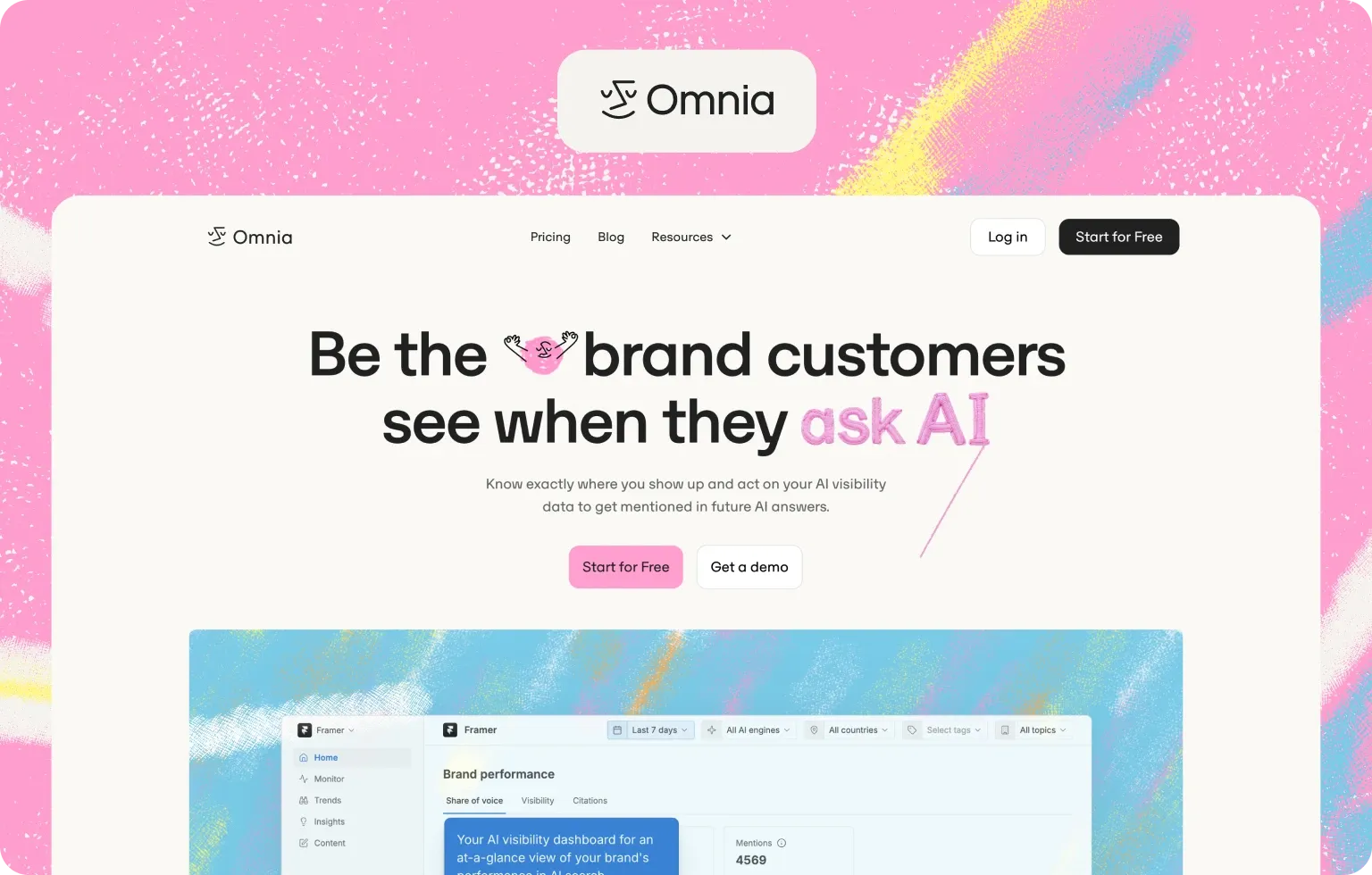
Omnia is an AI visibility platform that combines monitoring with an action layer, turning AI Overviews insights into executable recommendations.
Best for
Startups and scaleups who need to convert AI search results visibility into qualified pipeline without adding headcount.
What it does well
Unlike tools that stop at dashboards, Omnia's action layer analyzes top-performing citations and reverse-engineers them into specific tasks. Track a high-value prompt, and Omnia doesn't just report your Share of Voice, it hands you a strategic playbook.
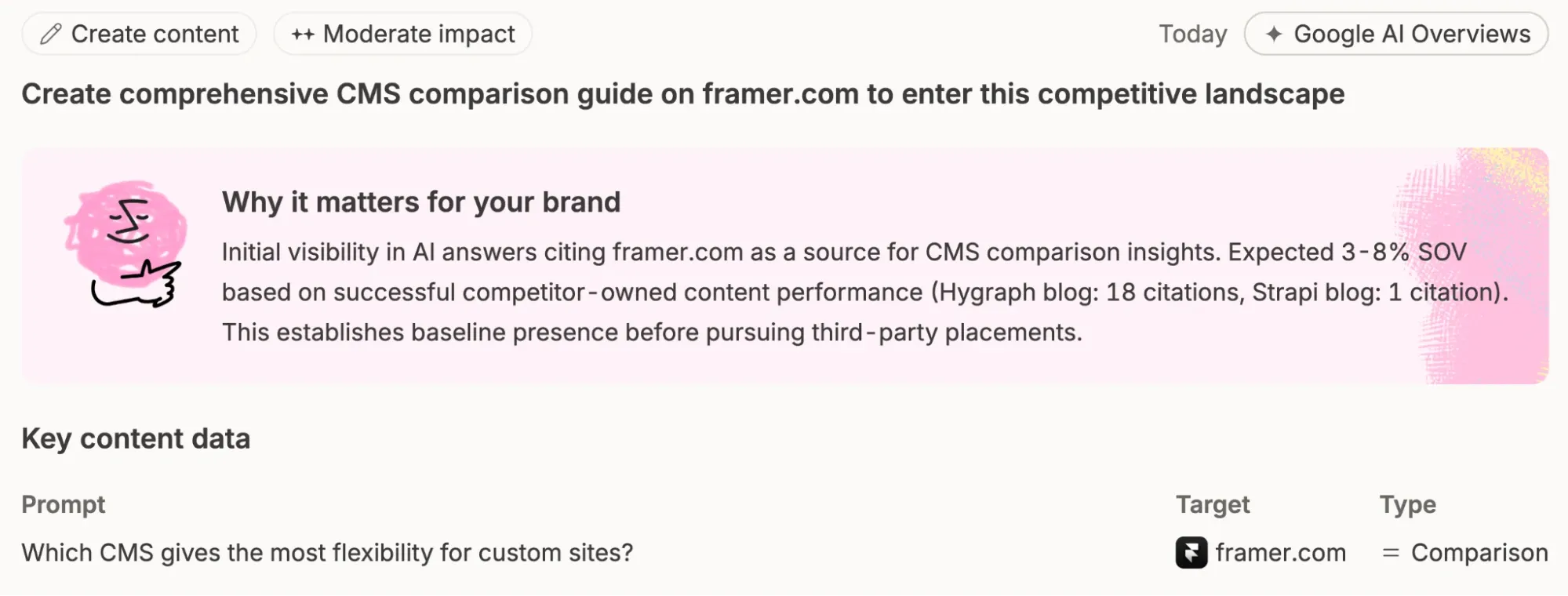
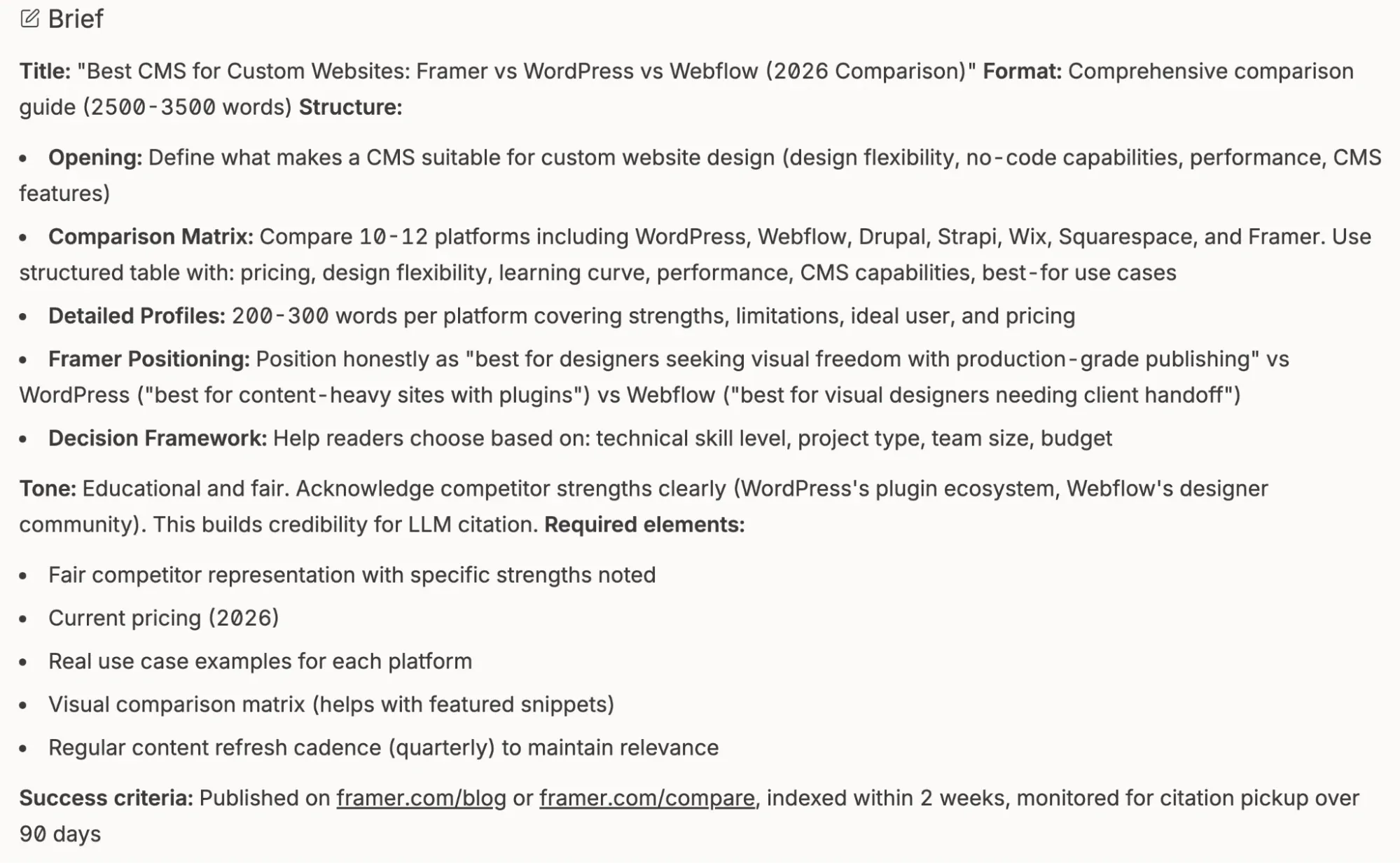
In the example below, the platform recommends creating a comprehensive 2,500–3,500 word comparison guide on your owned blog to establish baseline presence in a competitive category. Omnia builds the exact business case for you, projecting 3–8% SOV based on successful competitor-owned content performance (where similar guides earn 15-20 direct citations), backed by a highly detailed content brief.
The brief outlines the exact structure you need (comparison matrices evaluating 10-12 platforms, detailed profiles with honest competitor positioning, decision frameworks), strict quality requirements including quarterly content refresh cadence, and publication timeline with 90-day citation monitoring. You move instantly from monitoring a prompt to handing a ready-to-execute brief to your content team.
To make sure the data driving these briefs is accurate, Omnia executes prompts via real browsers in actual geographic locations. This prevents the false confidence of thinking you "show up" globally when you're only visible in one specific market.
Key features
Watch-outs
Omnia deliberately tracks only ChatGPT, Perplexity, and Google AI engines, so not every LLM on the market.
Good fit if
Not a fit if
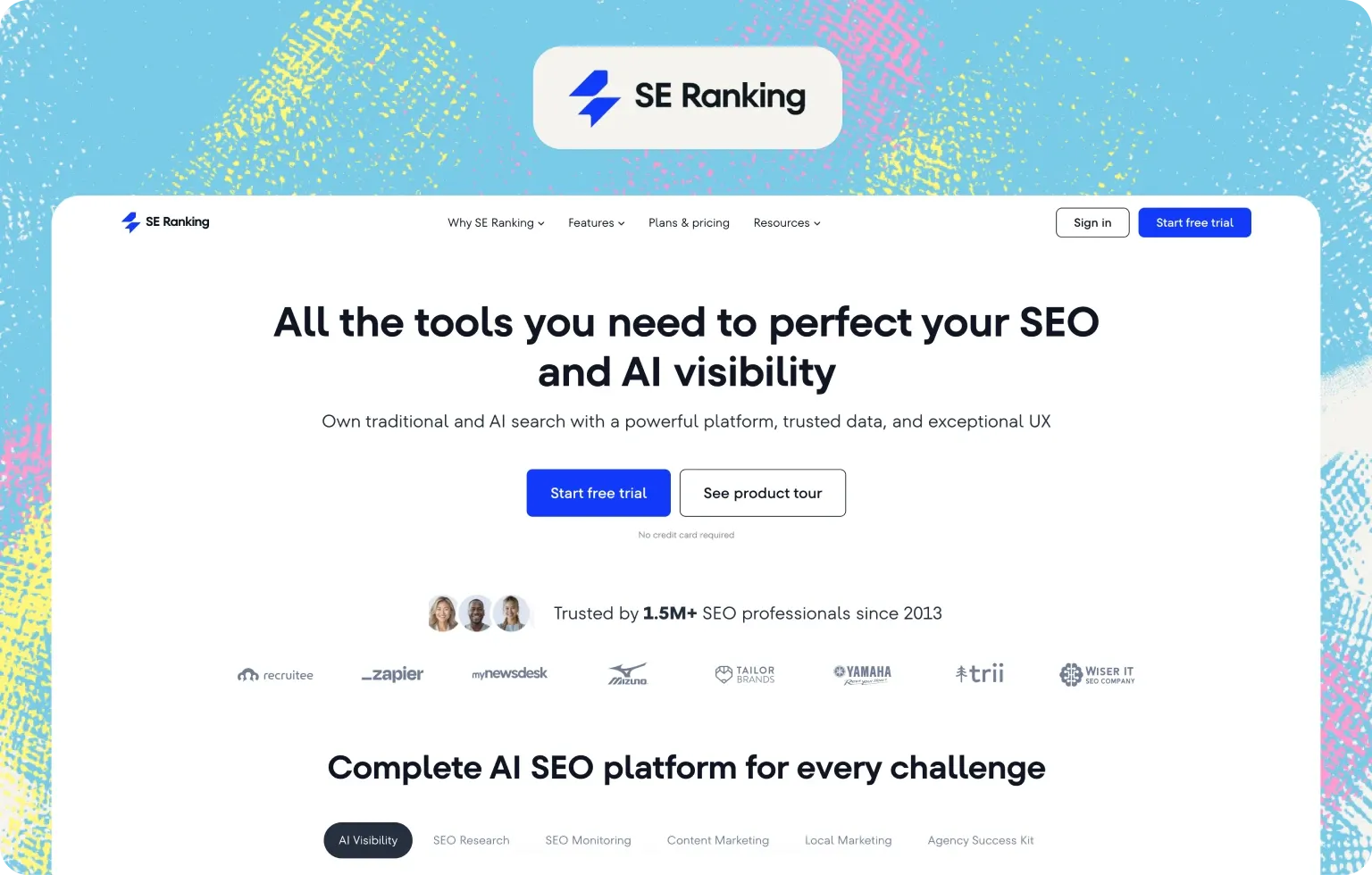
SE Ranking is an SEO platform including an AI Overviews Tracker as part of its AI Search toolkit.
Best for
SEO teams and agencies that want AI Overview visibility tracking integrated with their existing rank tracking workflow, without paying for a separate standalone tool.
Key features
Watch-outs
The tool focuses on presence and citation tracking but offers no action layer to help you improve visibility.
Pricing
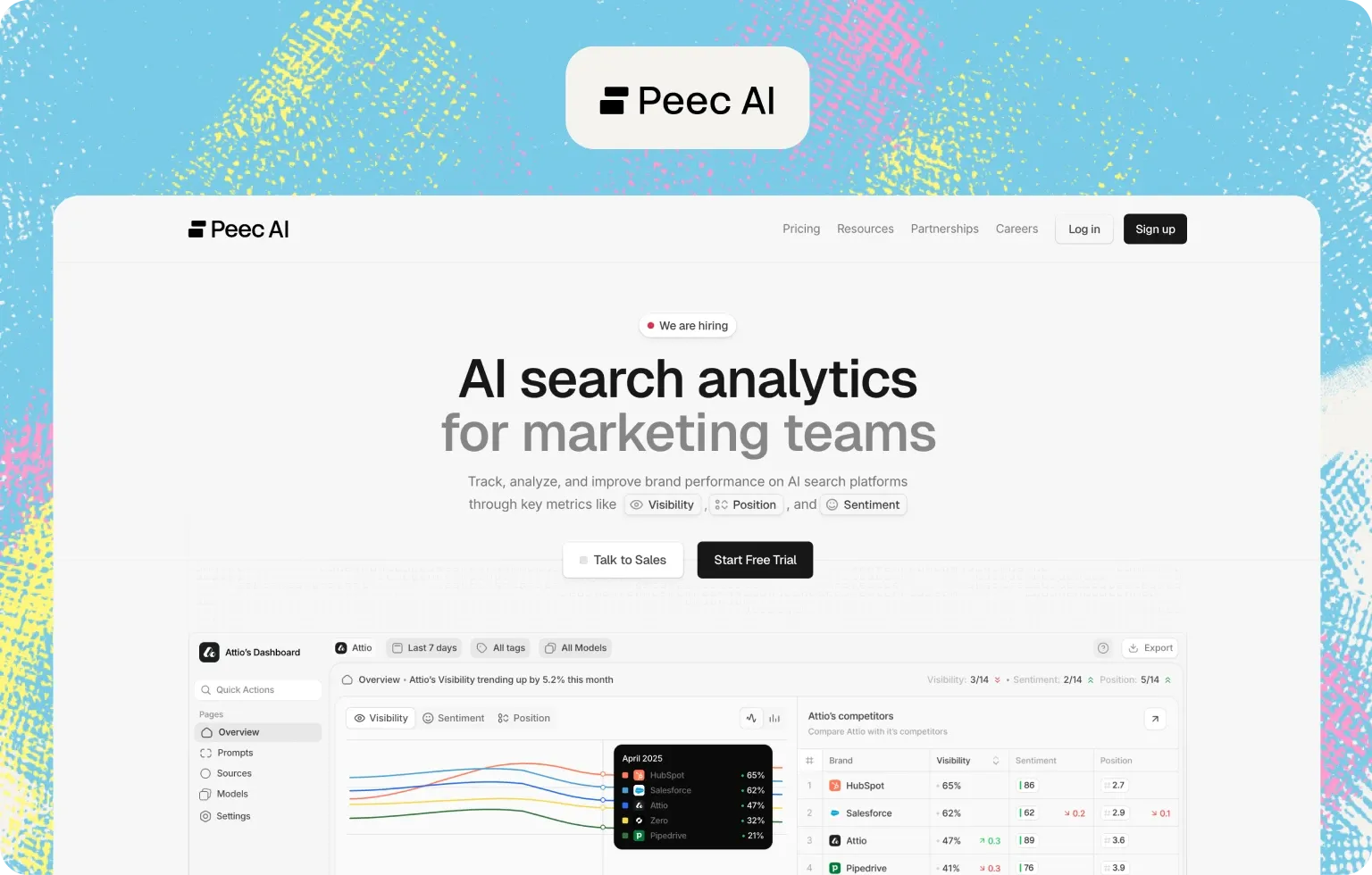
Peec AI is a multi-platform AI visibility tracker that monitors Google AI Overviews with daily refresh cycles.
Best for
Agencies and multinational B2B teams managing multiple clients who need unlimited user seats, sentiment tracking, and prompt-level visibility data without per-seat licensing costs.
Key features
Watch-outs
Peec AI emphasizes research and exploration over real-time monitoring. There’s no action layer for content recommendations or publishing guidance. The first three plans only give you visibility access to three models.
Pricing
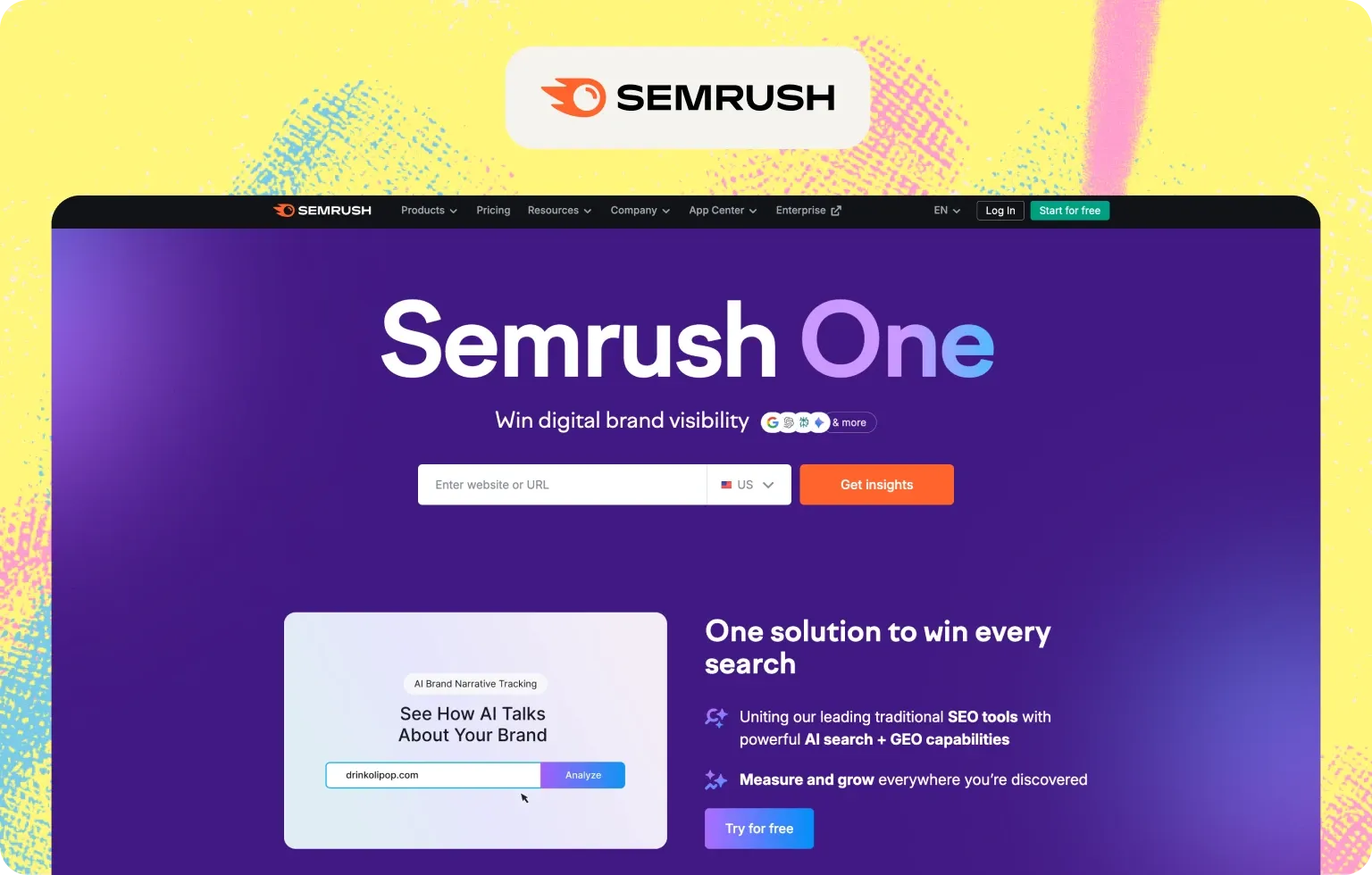
Semrush is an established SEO rank tracking platform that integrates AI Overview and other AI model visibility tracking.
Best for
SEO teams already using Semrush who want AI Overview visibility tracking integrated with their existing rank tracking workflow and SERP feature analysis.
Key features
Watch-outs
AI Overview tracking is included in Position Tracking but requires a paid Semrush subscription, which can be costly for smaller teams.
Pricing
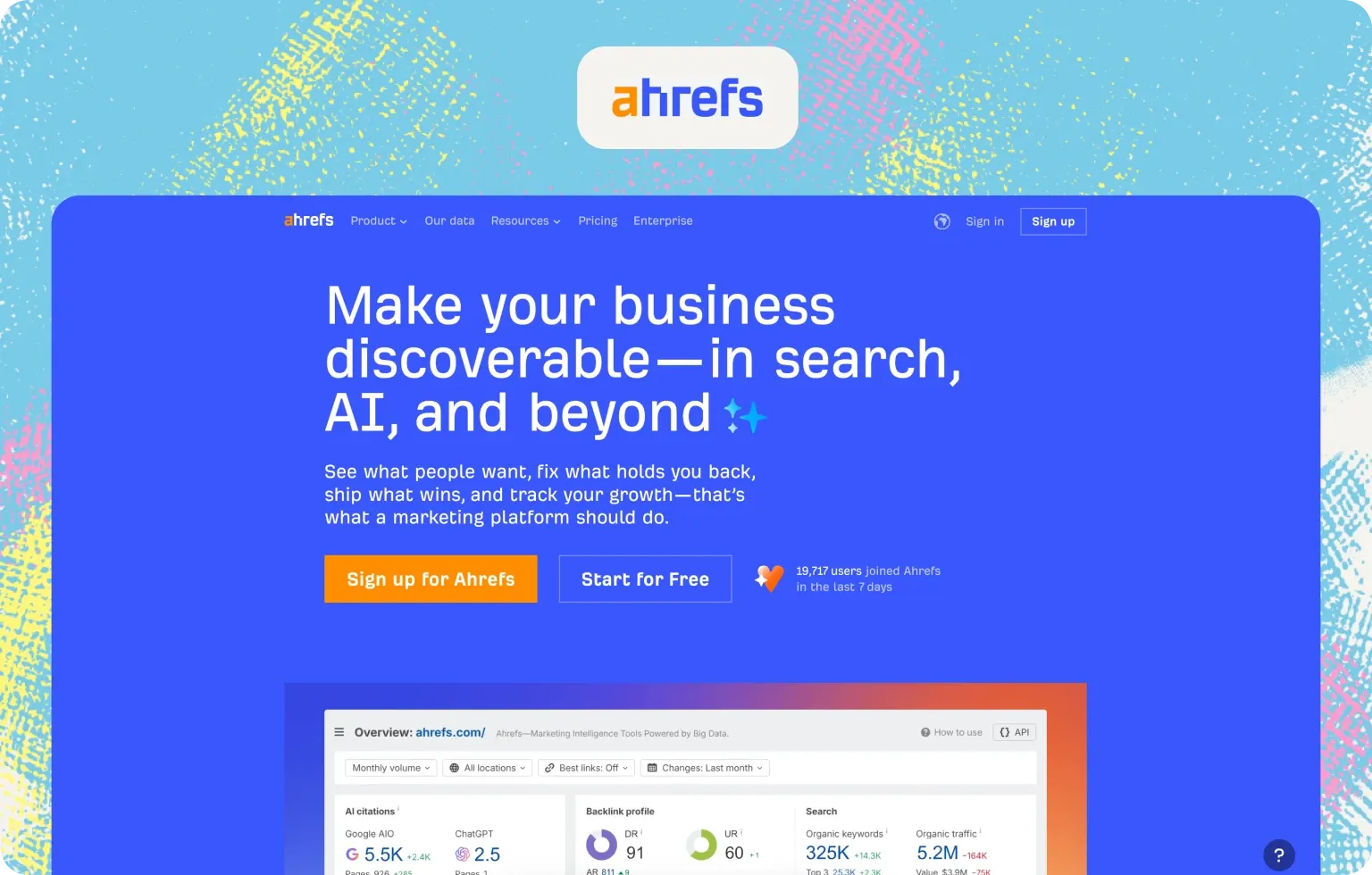
Ahrefs is an all-in-one SEO platform that offers AI visibility tracking across six AI indexes including Google AI Overviews.
Best for
Enterprise SEO teams needing comprehensive brand monitoring across AI platforms with competitor benchmarking and backlink correlation analysis.
Key features
Watch-outs
Brand Radar is a paid add-on on top of base Ahrefs subscription. The platform does not have an action layer.
Pricing
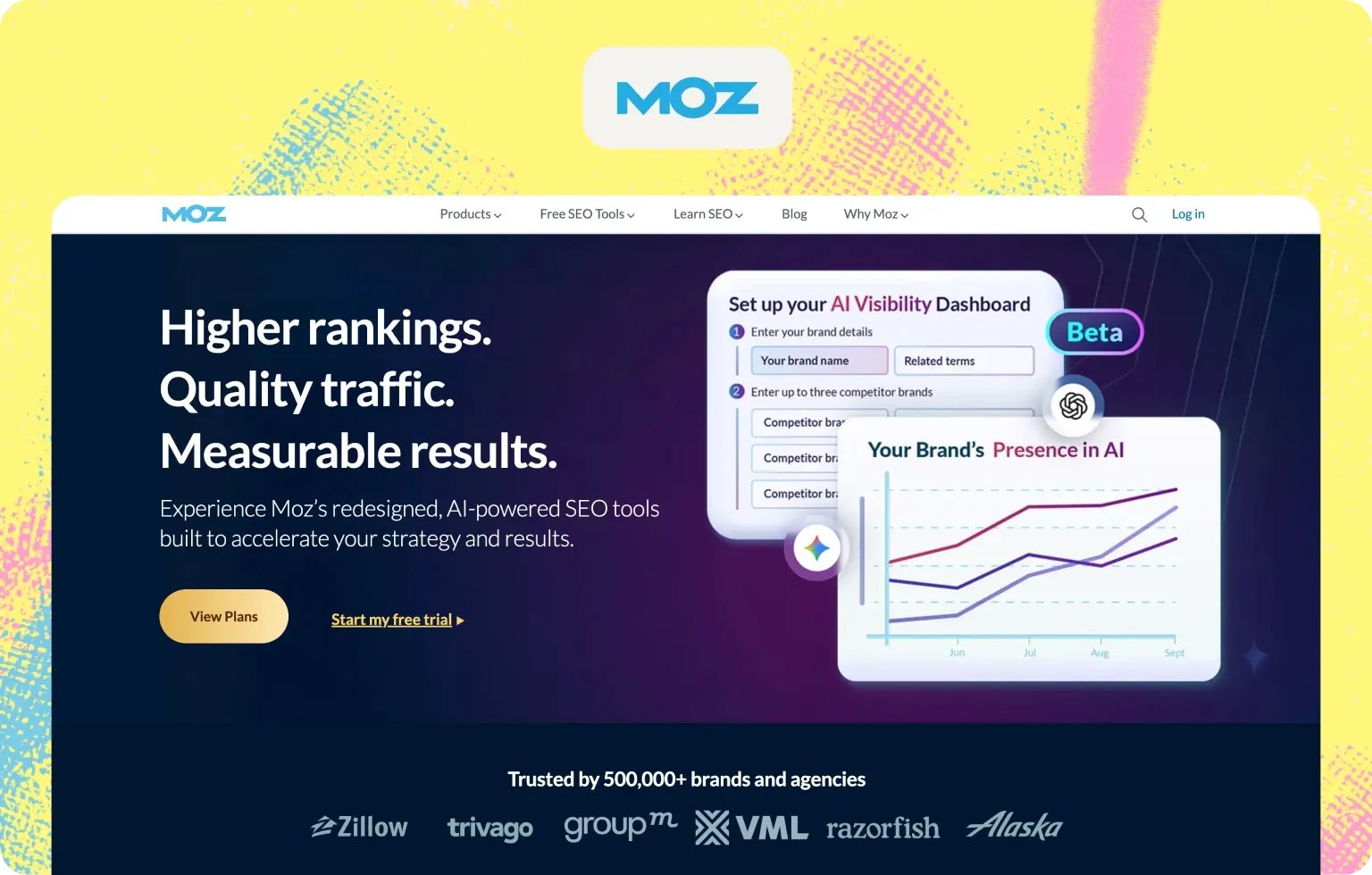
Moz is an SEO platform that adds AI Overview and AI visibility detection to its comprehensive suite of traditional SEO tools.
Best for
SEO teams already using Moz who want AI Overview visibility tracking integrated with traditional rank tracking and keyword research workflows.
Key features
Watch-outs
AI visibility tracking is a recent addition rather than core infrastructure, so it lacks the specialized depth of pure-play AEO platforms.
Pricing
BrightEdge is an enterprise SEO platform that tracks AI Overviews across large keyword sets.
Best for
Fortune 500 brands and large organizations needing comprehensive SEO suite integration with AI Overview research.
Key features
Watch-outs
BrightEdge doesn’t advertise any public pricing. The platform has a steeper learning curve designed for enterprise teams.
Pricing
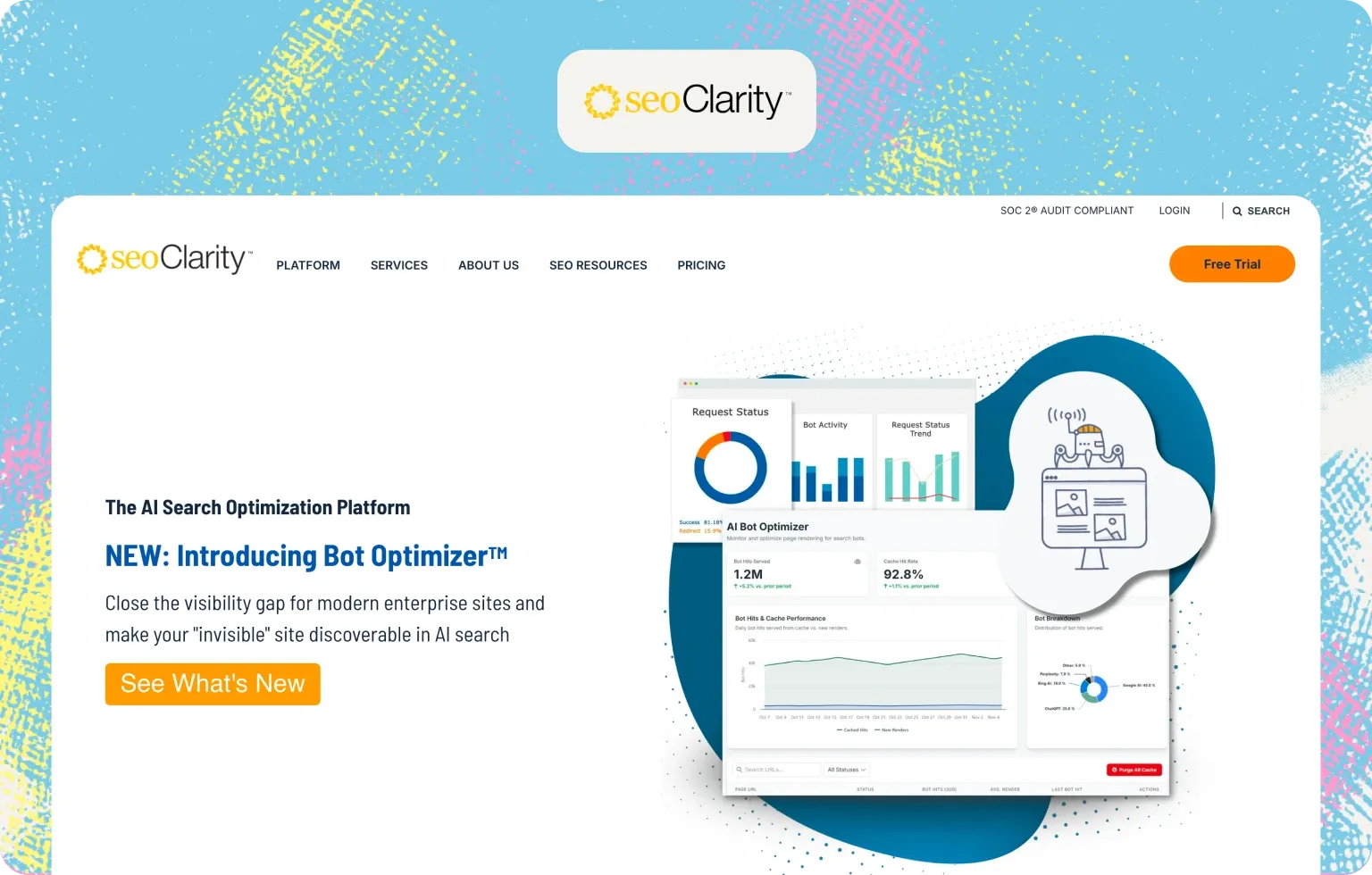
seoClarity is an enterprise SEO platform that offers Clarity ArcAI module to track AI Overviews across massive keyword sets.
Best for
Enterprise organizations needing large-scale AI Overview tracking with traffic impact analysis, competitive research, and deep integration across unlimited keywords.
Key features
Watch-outs
Enterprise-only pricing makes the platform unsuitable for SMBs. The platform is complex and designed for large SEO teams.
Pricing
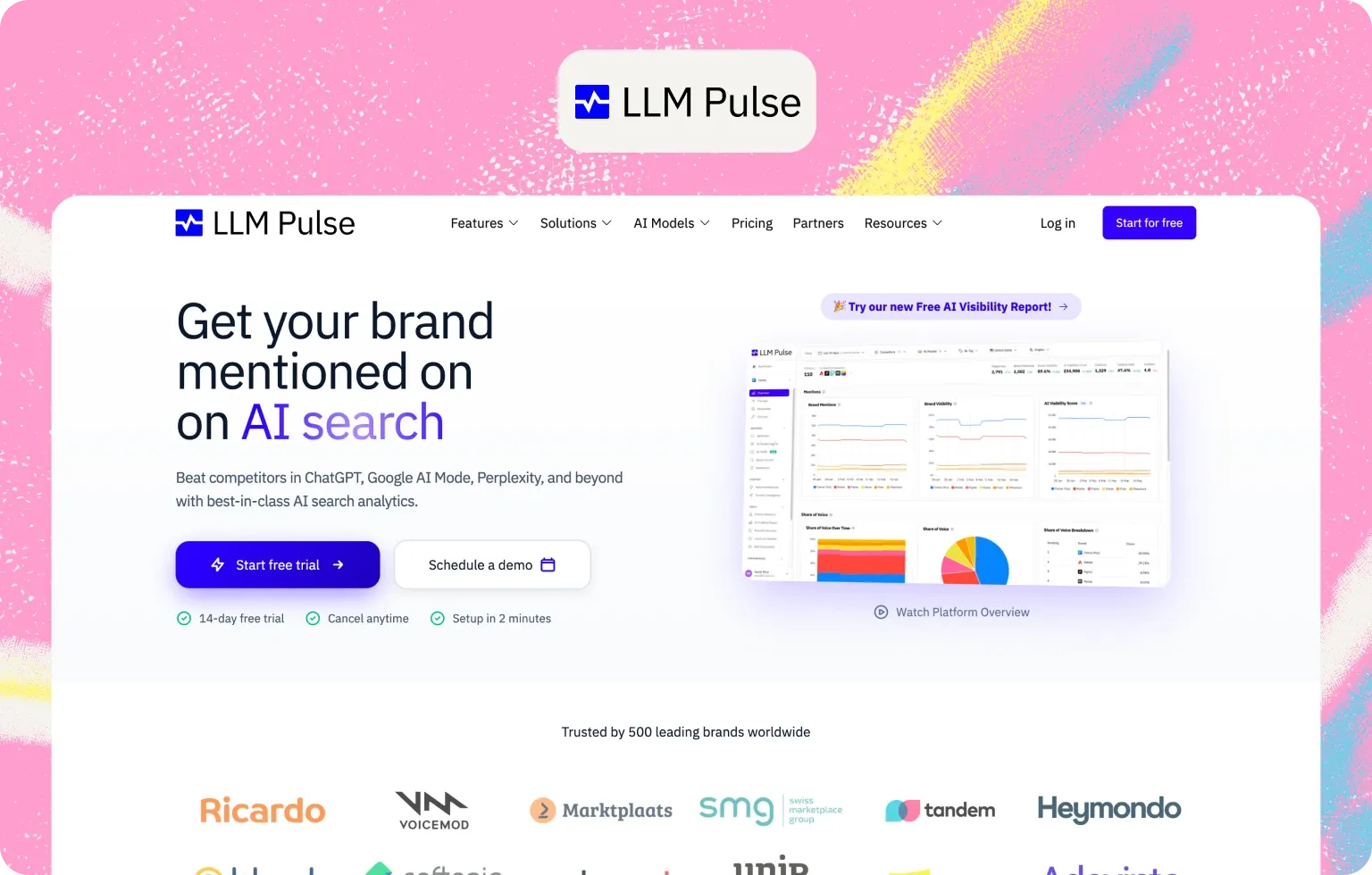
LLM Pulse is a budget-friendly AI search visibility platform tracking brand mentions and citations across 10+ LLM interfaces.
Best for
Small businesses and mid-market teams needing affordable multi-LLM tracking with prompt discovery, citation analysis, and share-of-voice benchmarking.
Key features
Watch-outs
LLM Pulse offers weekly tracking frequency only. Features like Looker Studio connector and brand sentiment analysis aren’t available in the base plan.
Pricing
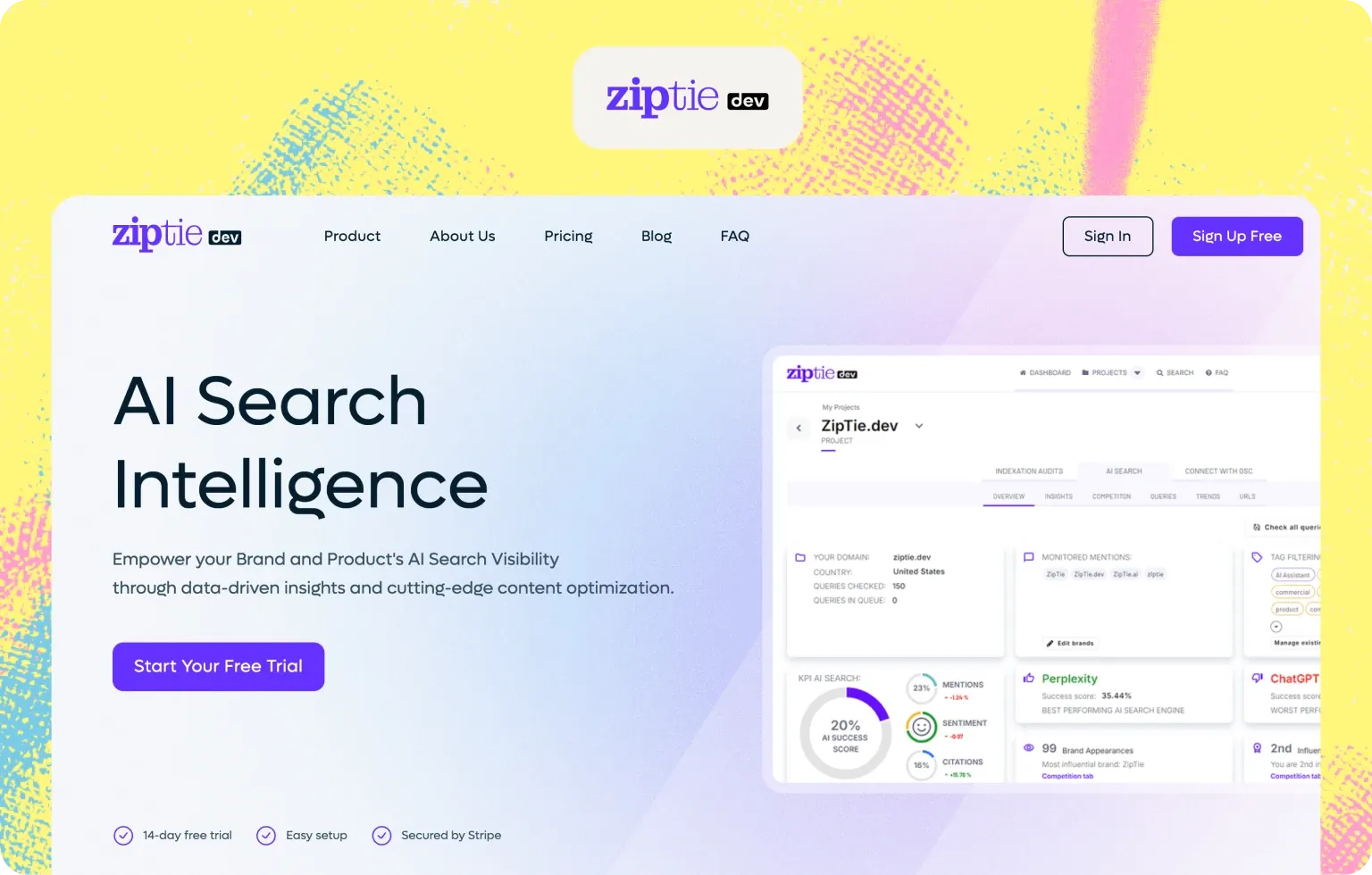
Ziptie is a focused AI search tracker monitoring Google AI Overviews alongside ChatGPT and Perplexity with multi-country support.
Best for
Small businesses and individual marketers needing simple keyword monitoring with built-in content optimization and GSC integration.
Key features
Watch-outs
Ziptie offers desktop-only tracking currently. It doesn’t track Google AI Mode, only ChatGPT, AI Overviews, and Perplexity.
Pricing
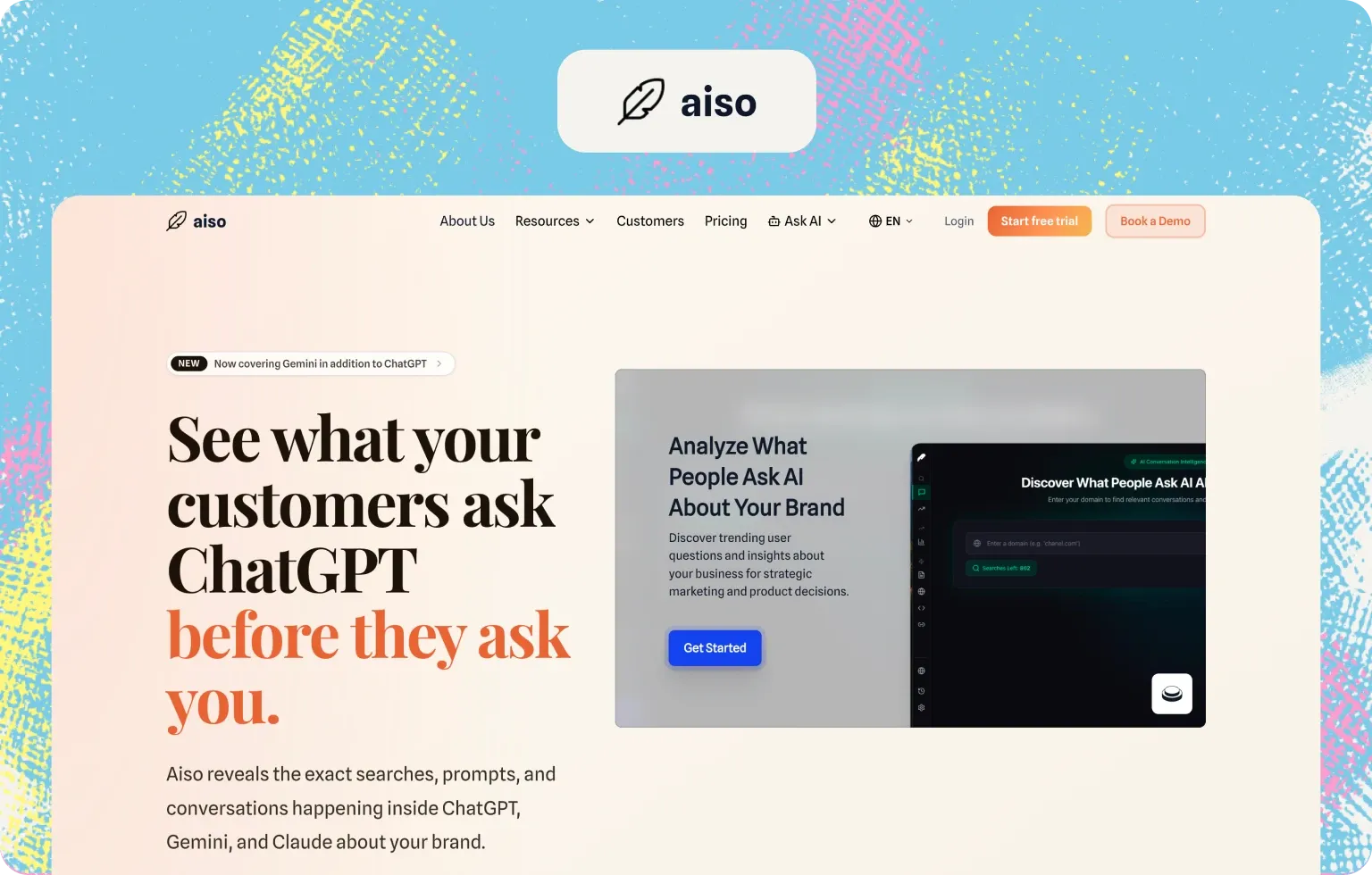
Aiso is an AI visibility platform tracking brand presence across Google AI Overviews and multiple LLM assistants.
Best for
Brands and agencies wanting full-stack AI visibility tracking with white-glove consultancy services.
Key features
Watch-outs
Aiso is a newer platform in the market compared to established SEO tools. It has a contact-based pricing model.
Pricing
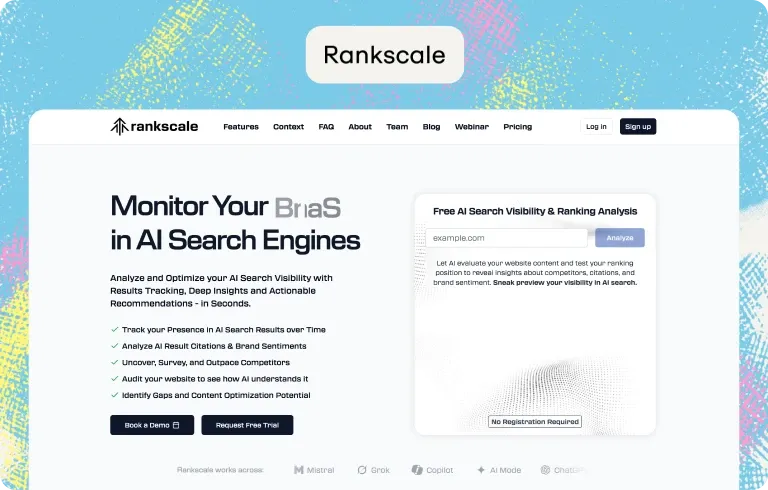
Rankscale AI is a credit-based AEO platform tracking visibility across eight AI search engines with flexible pricing.
Best for
Budget-conscious agencies and SMBs needing scalable, credit-based monitoring across multiple clients with detailed sentiment and citation analysis.
Key features
Watch-outs
Credit consumption varies by tracking frequency. Rankscale features emphasize monitoring over execution workflows.
Pricing
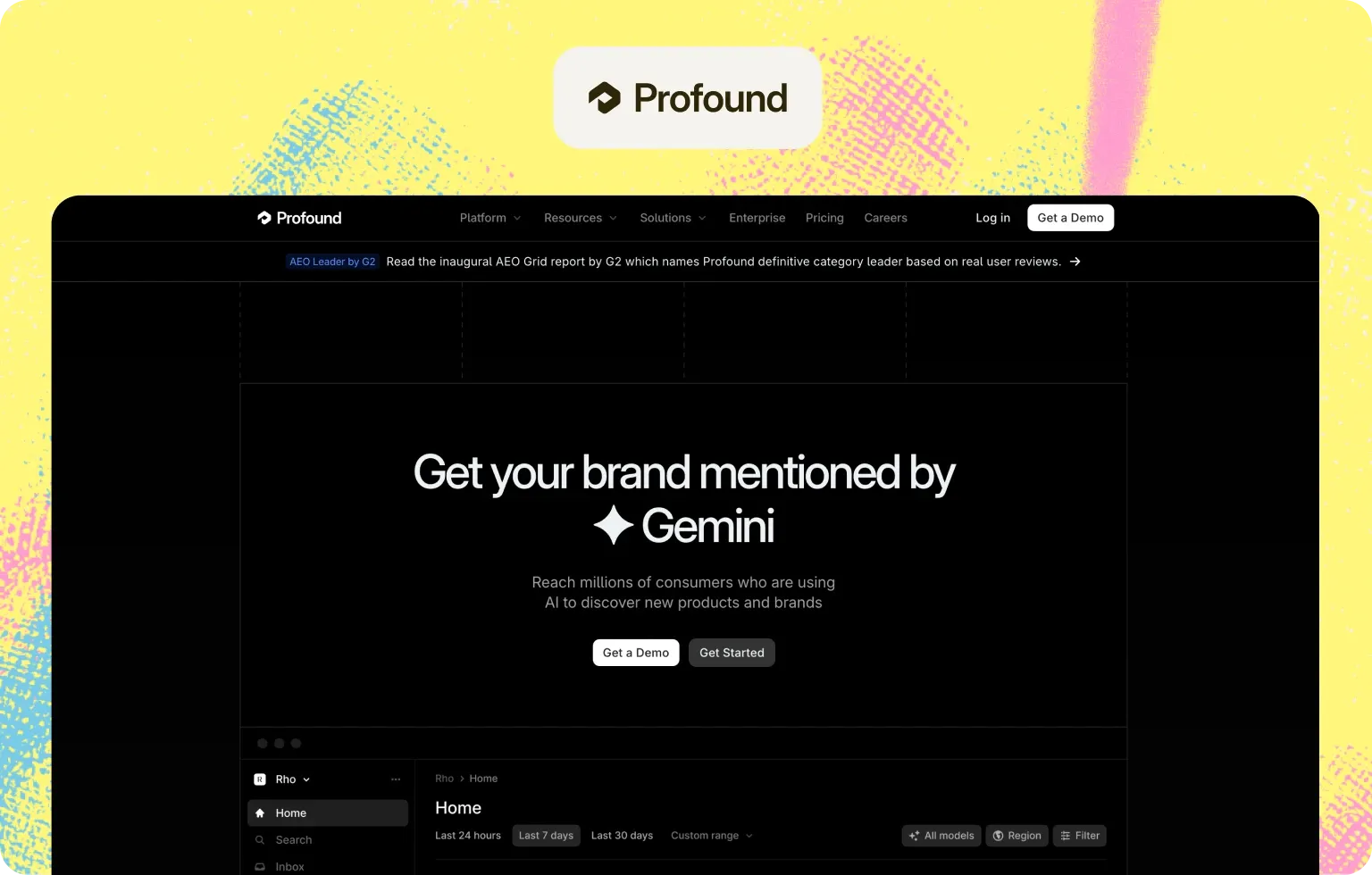
Profound tracks 10+ AI engines with prompt volume analysis and automated discovery built for Fortune 500 marketing teams.
Best for
Enterprise brands needing tracking across 10+ LLMs with sentiment scoring and martech integration for cross-platform visibility campaigns.
Key features
Watch-outs
Profound’s base pricing only provides access to ChatGPT. Teams wanting AI Overview visibility need to pay at least $399/mo, which is unrealistic for smaller teams.
Pricing
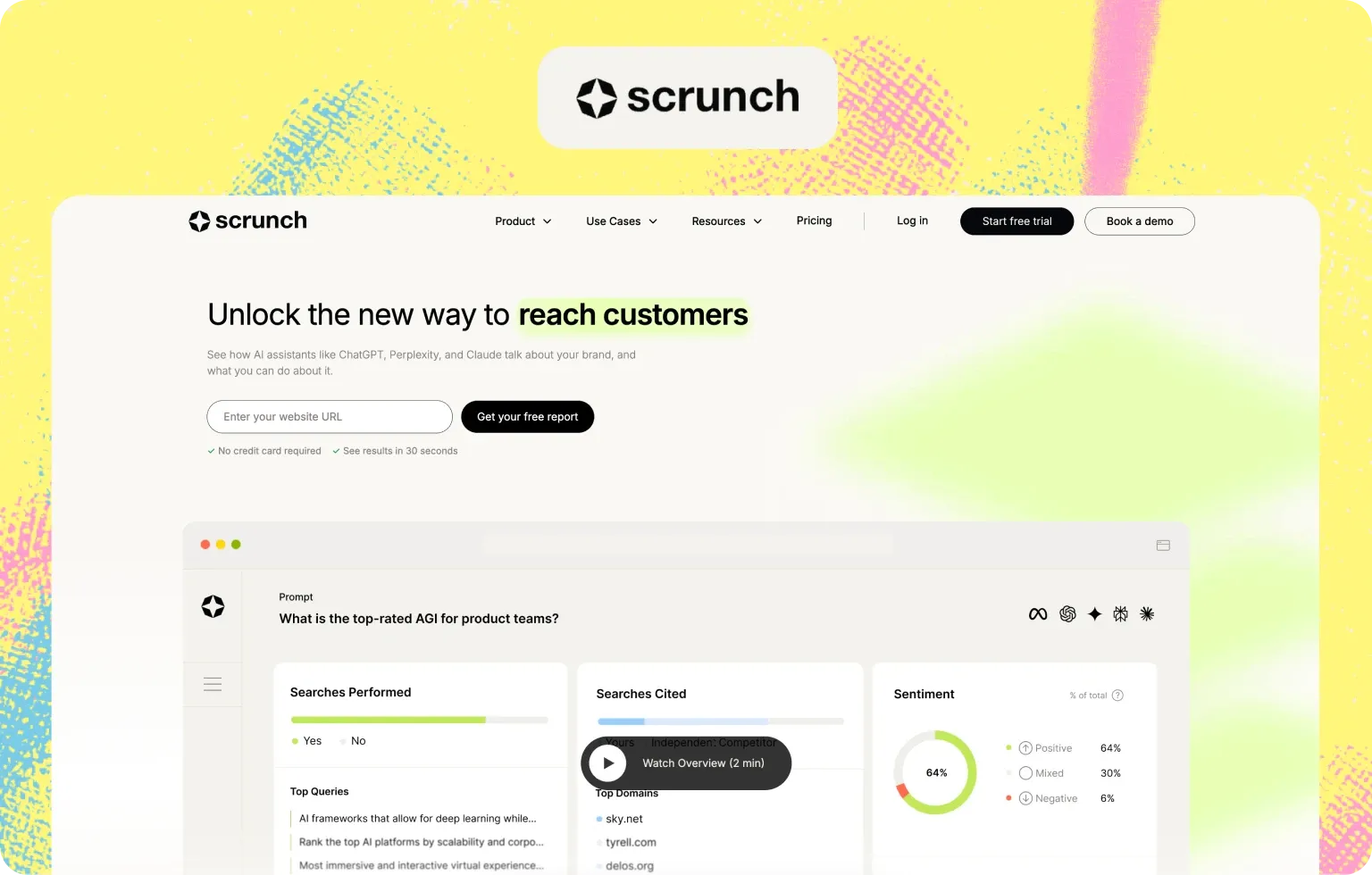
Scrunch AI is an enterprise AI visibility platform emphasizing security and governance with SOC 2 certification and real-time bot crawling feeds.
Best for
Enterprise brands and agencies requiring compliant AI visibility monitoring with security-first architecture.
Key features
Watch-outs
Google AI Overviews tracking requires the Enterprise plan with custom pricing. The Core plan only includes four LLMs and excludes AI Overviews. There’s no action layer for content recommendations.
Pricing
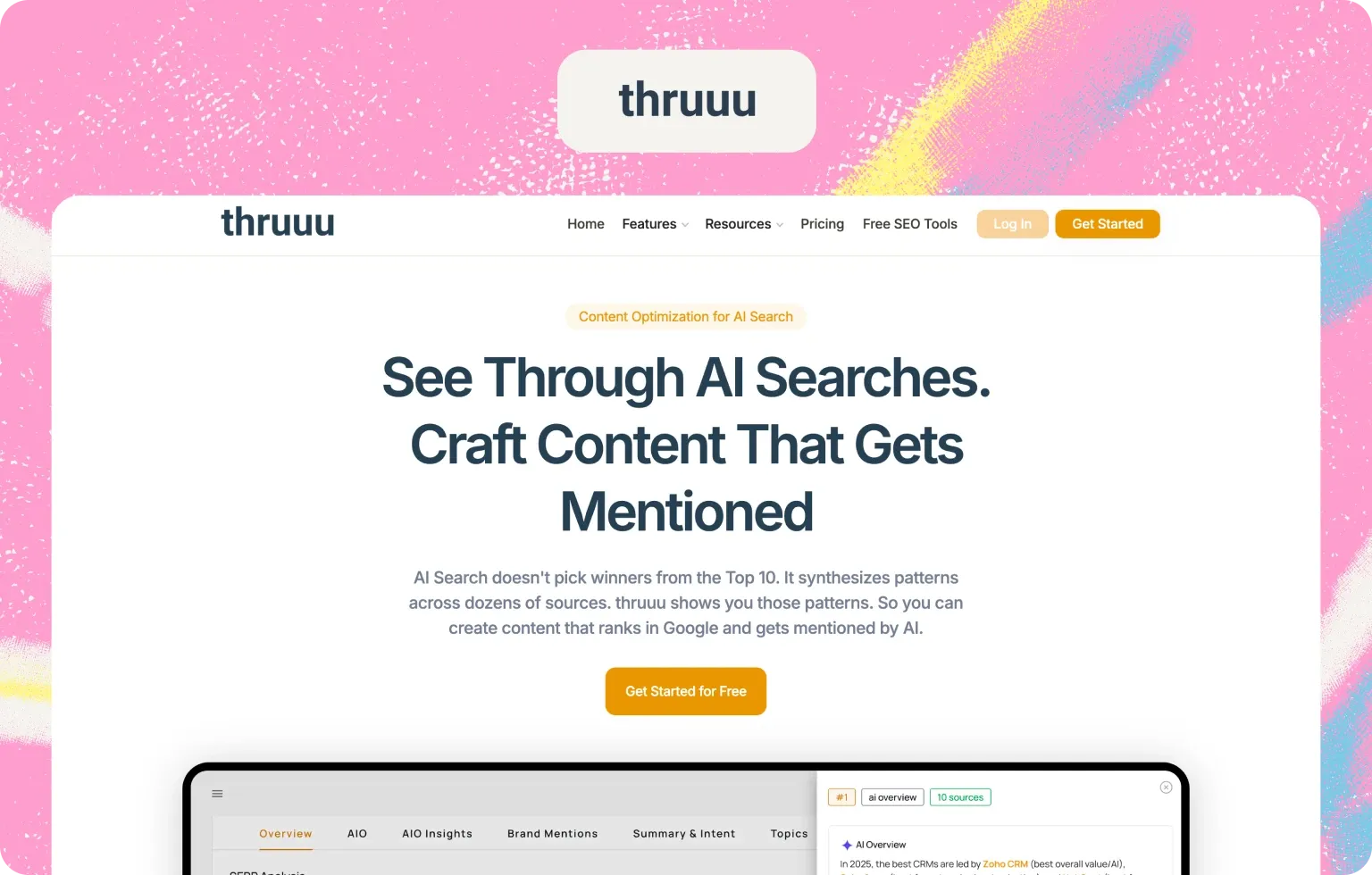
thruuu is a content-focused SERP analyzer with dedicated AI Overviews tracking and deep source analysis.
Best for
Content teams and SEOs needing deep content analysis with source URL breakdowns and integrated content brief generation from AI Overview data.
Key features
Watch-outs
AIO tracking is only available on Pro plan ($49/mo). The platform only tracks Google AI Overviews.
Pricing
If you’re comparing 15 platforms, the easiest mistake is picking the one that gives you accurate charts, but zero direction. Most trackers can tell you that your visibility moved. The problem is they can’t tell you why, and they can’t tell you what to do next. Omnia is built around that gap, connecting signals to evidence and actions.
First, Omnia tracks visibility the way AI engines actually behave in the real world, by country, in real browsing environments, not a simplified API view. That matters because “good overall visibility” can hide a painful truth. Maybe you’re cited in the wrong places, or you’re invisible in the markets that drive your pipeline. Omnia surfaces the regional patterns (the sites, formats, and domains that win locally) so you don’t green light a strategy that only works in the dashboard.
Second, Omnia doesn’t ask you to trust a metric you can’t verify. If a tool says “you appear in 67% of AI Overviews,” that’s not insight — it’s a claim. Omnia gives you auditable citation intelligence with the exact URLs and domains AI engines used when answering your prompts (press, reviews, forums, videos, your competitors’ pages). You can inspect it, share it internally, and reverse-engineer it.
Third, Omnia is designed for the part where most teams stall: execution. You load prompts, watch the data roll in, and then nothing changes because nobody knows what to ship. Omnia’s action layer turns those citations into specific, tactical tasks your team can run this week. You’ll learn what to write, where to publish, what to update on-site, and what to pitch externally. Plus, there’s a brief that explains the format and the “why,” so it’s not just another to-do list.
That’s why Omnia fits startup/scaleup reality: small teams, fast decisions, high pressure to show movement quickly. You need a feedback loop that turns AI visibility into repeatable work — and shows impact fast enough to matter.
Book a demo today, or start your 14-day free trial on the Growth plan.
Omnia offers a 14-day free trial on the Growth plan.
No credit card required. See exactly where your brand shows up (or doesn't) across AI engines, then let the platform's recommendations guide your next move.

Omnia is the top AI Overviews rank tracker for teams that want more than passive monitoring. It delivers strategic playbooks that specify exactly what content to create, where to publish it, and how to boost brand visibility across AI-powered search engines. Omnia tracks Google AI Overviews, ChatGPT, Perplexity, and Google AI Mode with unlimited geo-specific monitoring and daily refresh cycles. For enterprises needing 10+ LLM coverage or search generative experience tracking, consider Profound.
Yes, Omnia offers a free AI Visibility Checker that runs 40 prompt tracking queries across 4 AI engines and delivers a complete overall AI visibility report in 3-5 minutes with no credit card required. For ongoing daily search monitoring, the paid Growth plan starts at €79/mo.
When comparing the best AI Overviews tracking tools, prioritize citation extraction at the URL level (not just domain mentions), multi-country AI presence detection (since AI-generated results vary by geography), and archived SERP snapshots with timestamps proving what Google actually displayed. Bonus features include prompt tracking that shows which buyer questions trigger AI Overviews, AI search summaries that identify competitor citation gaps, and integration with Google Analytics to map AI mentions to actual search traffic.
Demand URL-level citation exports showing exact pages cited, timestamped SERP archives proving what Google displayed, and verified multi-country coverage. If vendors can't provide all three, they're hiding competitive reality. Ignore vanity metrics like “AI snippets detected” without proof or “AI overview mentions” counts without context. Instead, focus on tracking brand visibility with concrete evidence: archived HTML, extracted citations, and geo-specific presence flags.
The best platforms like Omnia execute prompts via real browsers in actual geographic locations, capturing what users genuinely see rather than API estimates. Lower-quality tools rely on single snapshots that may not match real user experiences, especially across different countries and devices. No tool can guarantee 100% accuracy because AI Overviews themselves are non-deterministic.
Written By
 AndreiHead of GrowthatOmniaJoseGrowthatOmnia
 AndreiHead of GrowthatOmnia
 AndreiHead of GrowthatOmnia
 AndreiHead of GrowthatOmnia
 AndreiHead of GrowthatOmnia
No credit card required · Free for 14 days · See your AI visibility within 3 minutes